
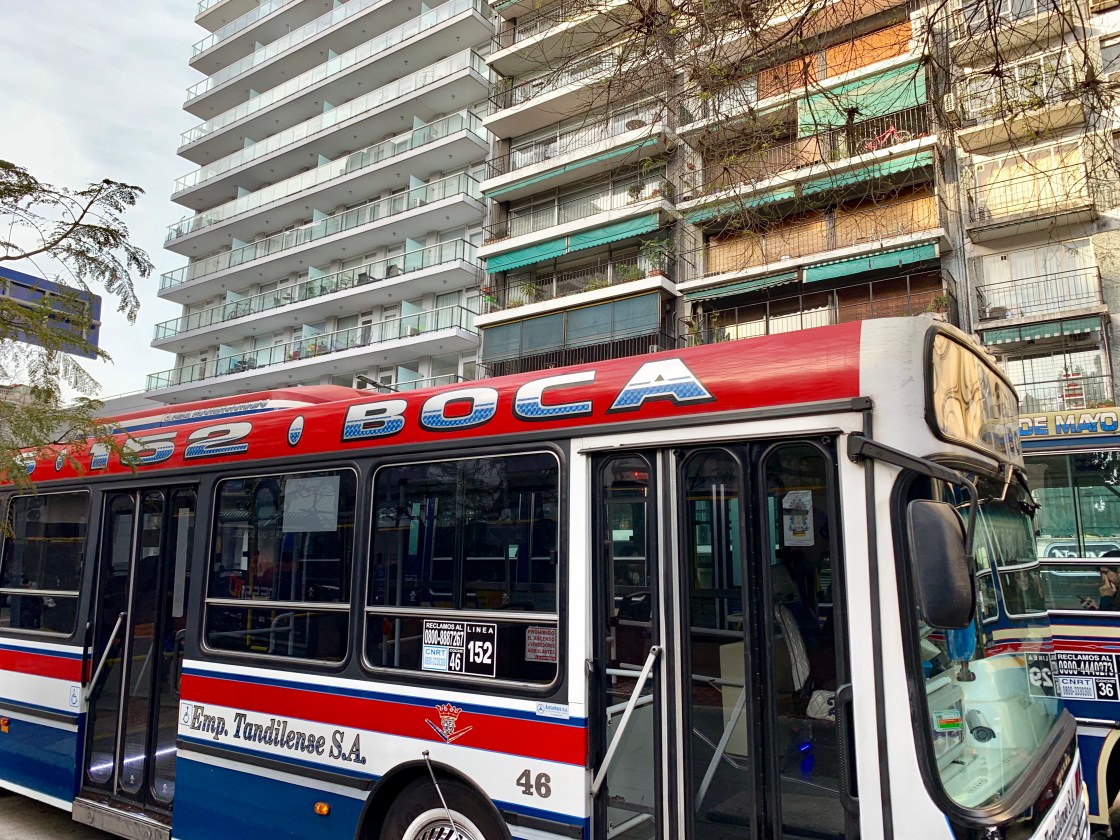
Let me make one thing clear: Buenos Aires. Is. HUGE. It really is a massive, sprawling city. I would highly recommend utilizing public transportation as much as possible if you are planning on visiting Buenos Aires! As long as you make sure to avoid rush hour, their metro system is extremely easy and pleasant to navigate, and when you can’t take the metro, there is always a bus nearby that will take you where you need to. Figuring out the ins and outs of a new city’s public transport system can be super daunting, especially if you don’t speak the language of that city very well. This post will tell you everything you should know about the basics of public transportation in Buenos Aires so that you can confidently explore the city yourself!
El Subte
The underground train system in Buenos Aires is called the Subte. This was my preferred method of transportation when I was exploring the city, and if you have ever tried navigating the New York City Subway, you will be elated at how simple the Subte is to use.
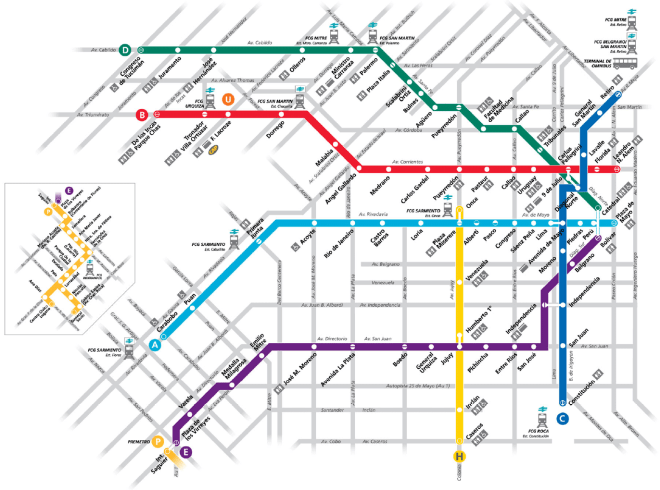
First things first, you should absolutely buy a Subte card if you are planning on spending more than two days in the city. A Subte card is equivalent to a Metro card. To purchase, just walk down into any Subte station, go to the booth where an employee is working, and say “me gustaría comprar una tarjeta, por favor.” When I was in Buenos Aires, the card itself cost 90 pesos (USD$1.60), but prices in Argentina change constantly so this may have since gone up. The employee will then ask you how much money you want to put on the card. I put about 200 pesos on, as each ride cost 19 pesos. To put money on the card, you will have to hold it up against the black sensor on the window between you and the employee and wait for it to turn green. Then you’re all set! When you want to enter the platform, all you have to do is touch the Subte card flat against the black sensor and then walk through. Easy!
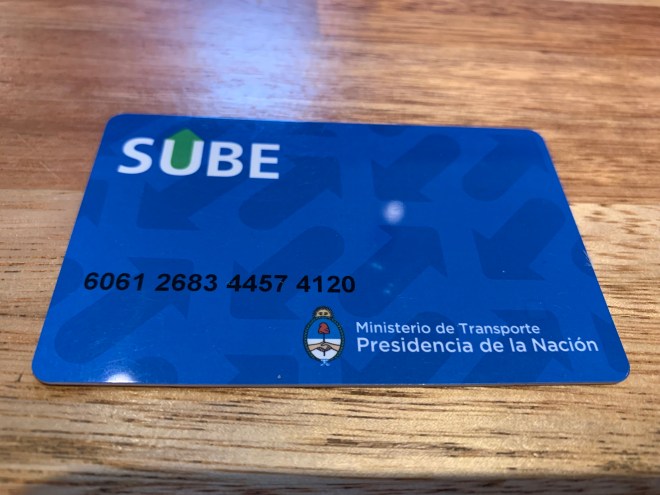
There are Subte stations all over the city, and the entrances look like this:
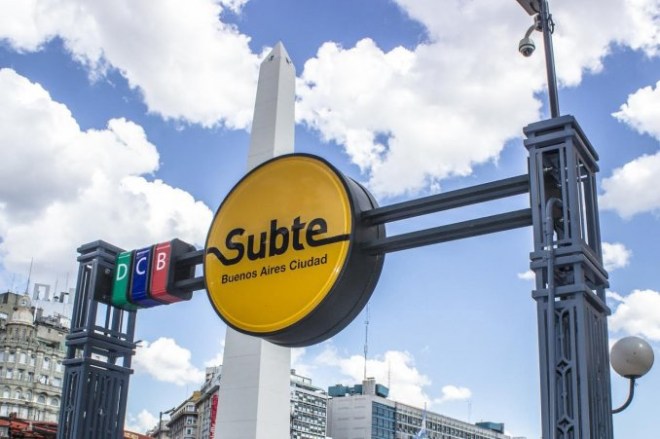
Make sure you know which direction you are going, because that will affect which entrance on the street that you go down. Google Maps is your best friend!! I’d recommend planning your route before you leave your hostel/wherever you have WiFi so you don’t have to use that data! You will need to
know which station you are going to, which line to take, and which direction.
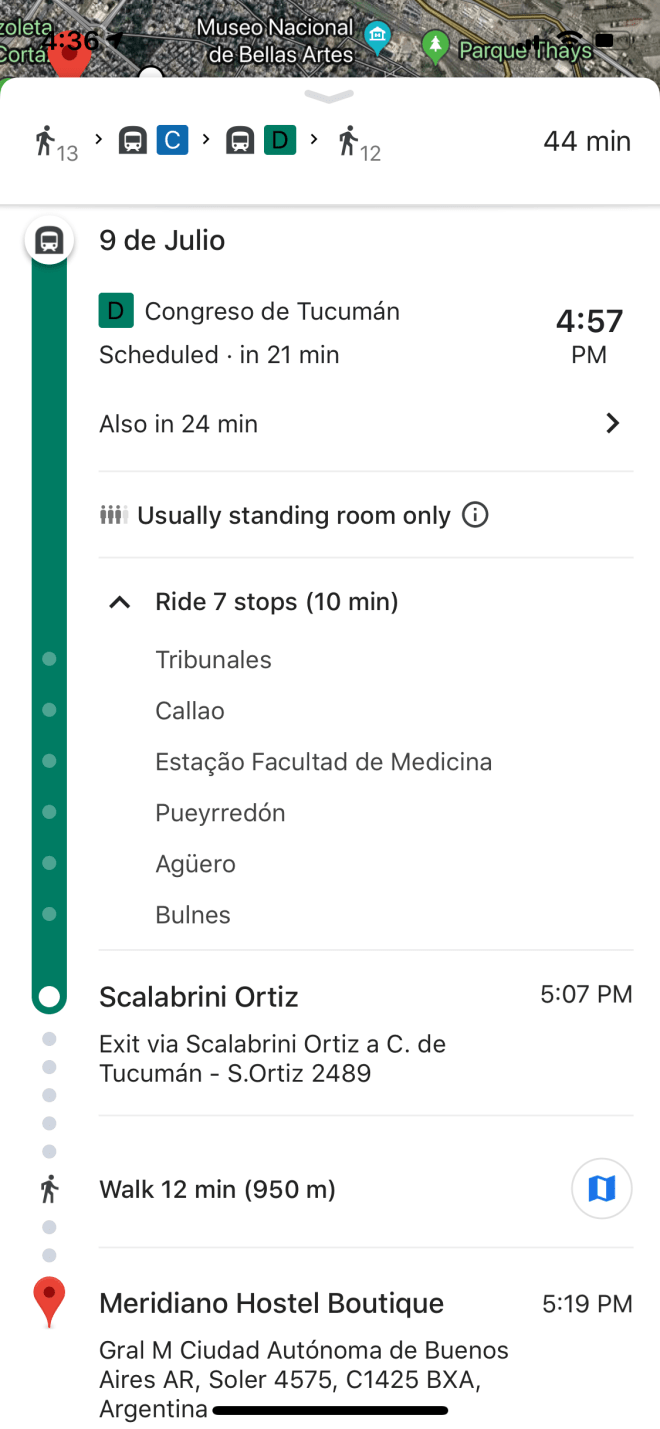
For example, in this screenshot, I had to take the D line, which is always green, from the station called 9 de Julio, towards Congreso de Tucumán. Make sure the sign above the street entrance you are going down says “a Congreso de Tucumán.” In this example, I had to get off at Scalabrini Ortiz, and since I had a screenshot of the stops the train would make, i was able to ensure once I got on the train that i was going the right way. The trains all have clear maps on them, indicating the order of the stops. Basically if you have any experience navigating any subway system, you will be just fine in Buenos Aires.
If you find yourself riding the Subte during rush hour, you will HAVE to be aggressive about shoving your way onto the train, no matter how packed. There is no point in waiting for the next one; they will all be the same. Just say “permiso” and push your way though!
Bus
When the Subte can’t take you where you need to go, which is often the case, you will easily be able to find a bus to take. To take the bus you can also use your Subte card, or you can pay in cash. Try to pay in exact change, because you probably won’t get anything back otherwise! Once you find the bus stop you need, you will want to wave the bus down when it comes to indicate you want it to stop. It will not stop otherwise, and sometimes even if you wave it down it will choose not to if it is too full.
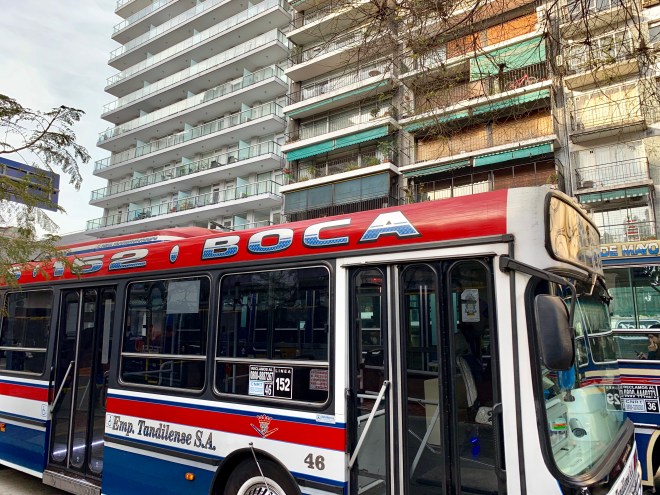
When you get on the bus, you will have to tell the driver where you are getting off. He will then charge you the correct amount, and you can hold your Subte card up to the black sensor until it turns green. In most cases, if you are staying within the main part of the city, it will cost 16.50 pesos, which is USD$0.29. When you are approaching the stop where you want to get off, hit the orange button at the door in the middle of the bus to indicate to the driver to stop. And voila! You are officially navigating Buenos Aires like a local!
Taxis
I did not take any taxis when I was in Buenos Aires, because public transport was so manageable and I did not want to use cash when I already had cash on my Subte card. However, if you do choose to take a taxi, only get in the official black and yellow ones, and make sure you will be able to pay in exact change – again, from what I heard, they often don’t have change to give back if you pay in a larger bill, and they don’t accept cards. Also, Uber’s typically cost about half what a cab costs! But even with Uber you will be expected to pay in cash, not with the card on your account.
Trains
If you want to take a day trip from Buenos Aires to, say, Tigre or San Isidro (which you should!), it is easy to take a train from the Mitre line at the Retiro Train Station. The Subte will take you straight into the station, and from there just follow signs for Mitre trains. Use your Subte card to get onto the platform. It is extremely clearly marked (the turnstiles will say “a Tigre”), so you don’t need to plan to get there super early to find your way around. The Retiro Station isn’t somewhere you want to hang around looking lost, so just be confident and get to your platform. The trains to Tigre run extremely frequently on weekdays, so there will almost definitely be one waiting for you there when you arrive!
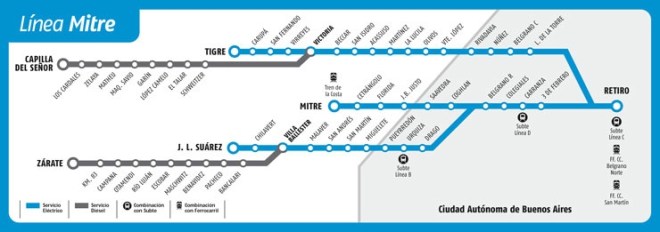
I hope this guide helps give you the confidence to get anywhere you want to go in Buenos Aires! Especially as a solo female traveler, it can be slightly nerve wracking figuring out how to get around a new city, but if I can figure it out you can too:) happy traveling!
 Idly Wild